

Holi-daze Glycation: Sugar, Skin Aging & Inflammaging

Education Team
 4
min de lecture
'Tis the season for creative excuses as to why you need yet another Christmas tree-shaped Reese’s. After all, it’s like the holiday season is tailor-made to knock even the most militant among us off their diet and tempt you to revel in sweet indulgences.
But while your sugar-fueled guilt may be focused on your waist, your skin may be suffering silently as well. You know that feeling you get after that third slice of pie? Your skin gets that too and it’s called glycation. It’s a natural process that can contribute to changes in collagen, elasticity, and the overall appearance of aging skin.
Don't panic. Nobody is being sugar shamed over the holidays. This is simply a reminder that healthy aging is about understanding the things that can affect your skin and giving it a little extra support when needed.
What Is Glycation and Why Does It Matter for Your Skin?
Glycation occurs when sugars, such as glucose, interact with proteins in the body. Over time, these reactions can contribute to the formation of Advanced Glycation End Products (AGEs).
And when we're talking about glycation and aging, collagen and elastin are two particularly important proteins to keep an eye on. These proteins help give skin its structure, firmness, and elasticity. Glycation can contribute to protein cross-linking, making collagen stiffer and less flexible.
In other words, your skin's supportive scaffolding may not bounce back quite like it used to.
How Sugar Contributes to Skin Aging
So, does sugar age your skin? The relationship is more complicated than simply eating a cookie and immediately developing a wrinkle.
Over time, excess sugar availability can contribute to glycation, while environmental factors such as UV exposure and oxidative stress can further contribute to visible signs of aging. Free radicals and oxidative stress can also promote processes associated with inflammation, or as it is commonly known, Inflammaging.
The Connection Between Glycation and Inflammaging
Inflammaging refers to the concept of chronic, low-level inflammation associated with aging. Glycation and oxidative stress are among the processes being studied for their relationship to inflammation and age-related changes.
When the effects of glycation accumulate in the skin, they can interact with cells and proteins in ways that may promote oxidative stress and inflammatory signaling. Over time, this can contribute to changes in the skin's structure and function, including reduced elasticity, increased collagen stiffness, and the appearance of fine lines and wrinkles.
Can You Prevent Glycation in the Skin?
You can't completely stop glycation and there's no skincare product that can magically erase its effects. But a proactive approach can help support healthier-looking skin and address some of the environmental factors associated with visible aging.
Antioxidants can help defend skin against oxidative stress, while daily SPF helps protect against UV exposure, one of the biggest environmental contributors to premature visible aging.

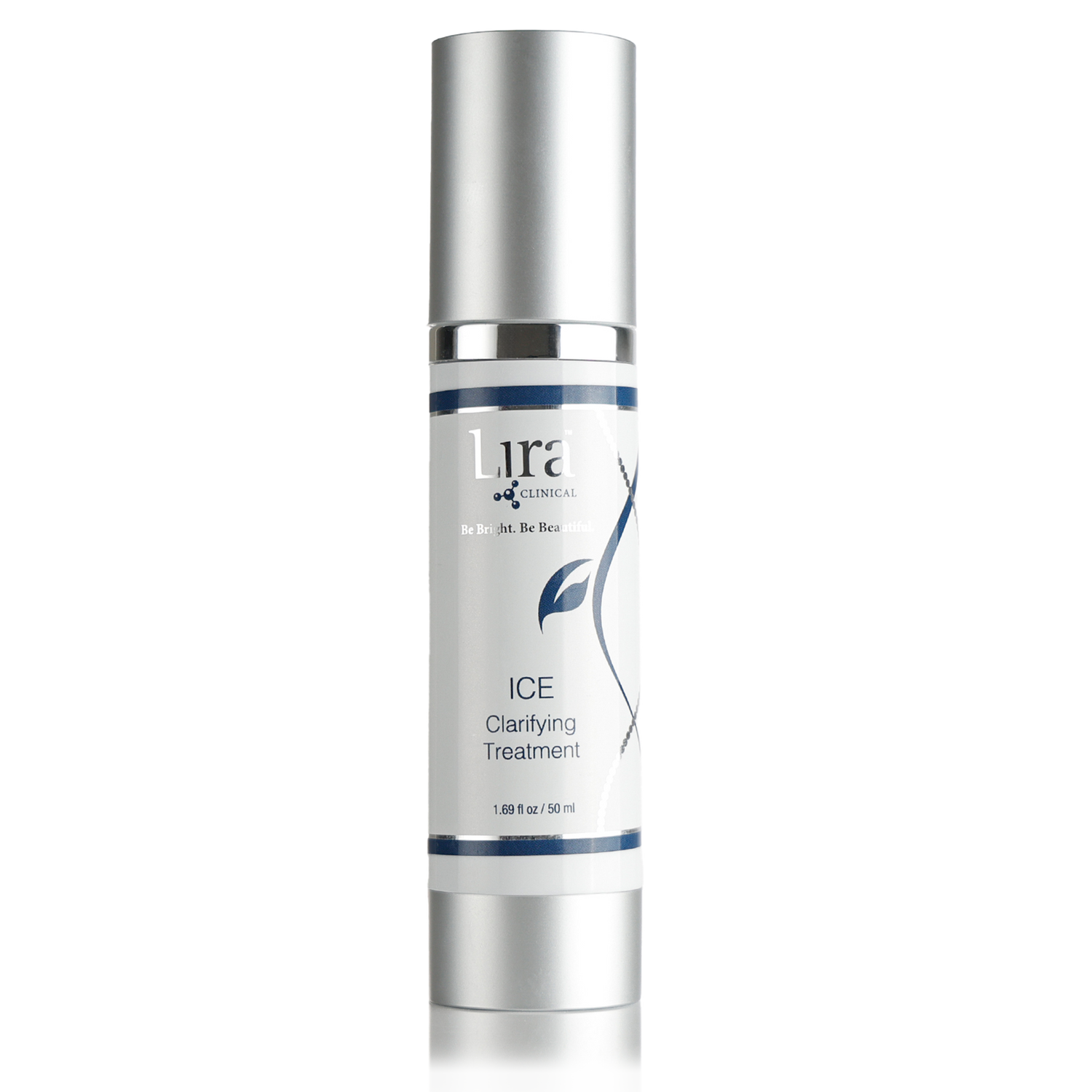
Ingredients like vitamin C and niacinamide skincare can also play a role in antioxidant-focused routines. Lira Clinical's ICE Line, featuring niacinamide, offers one way to incorporate this ingredient into a professional skincare regimen.
Antioxidants and the PROAging Approach to Glycation
Rather than obsessing over reversing every sign of aging, why not take a PROAging approach?
The goal is supporting skin as it ages by protecting it from environmental stressors while maintaining the appearance of collagen, firmness, elasticity, and overall skin health. Lira Clinical's PRO Line, MYSTIQ Line, and SPF Line provide options for building an antioxidant- and protection-focused routine.

Because enjoying a holiday cookie doesn't mean you have to sacrifice your skin goals.
Take a PROAging approach to glycation and skin aging with skincare designed to defend against oxidative stress and support smoother, firmer, healthier-looking skin.
Save the cookies. Protect the collagen. Everybody wins.